
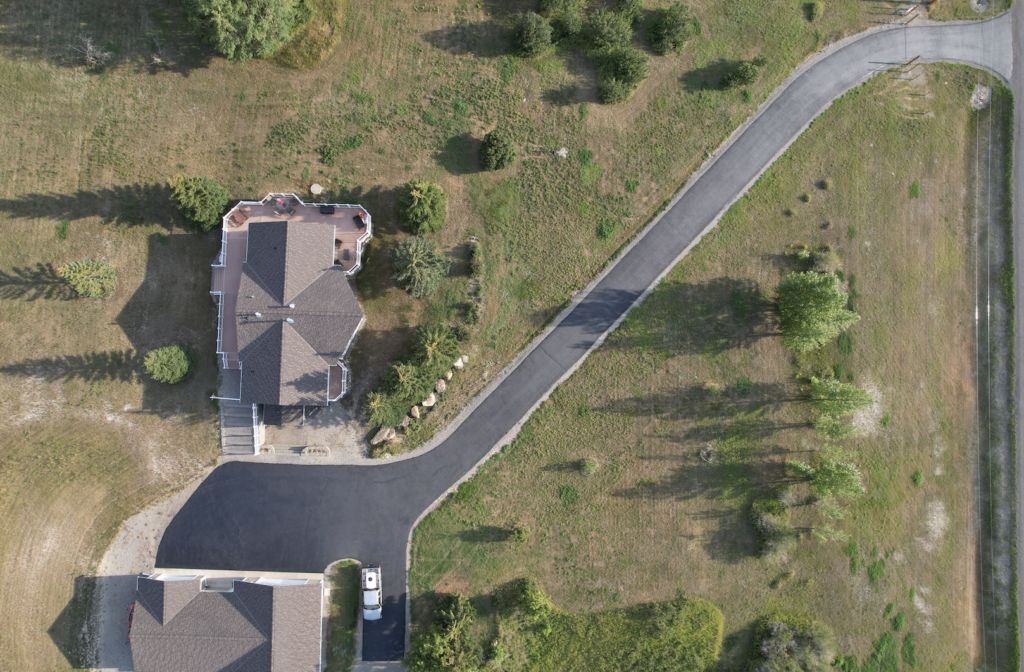
A fresh, jet-black driveway is tempting to use the second the crew rolls out. However, parking on it too soon is one of the easiest ways to undo all that work. So how long should you wait?
You can usually drive on new asphalt after about 24 hours, though it’s best to wait 48 to 72 hours before rolling anything heavy on it. If you’ve just had a driveway paved, here are some tips for the curing process to keep your fresh surface looking sharp:
Key Takeaways
- Drive light vehicles after 24 hours. Heavy vehicles need 48 to 72 hours.
- Temperature, asphalt thickness, and moisture all change the curing time.
- Simple habits protect your driveway from scuff marks and premature wear.
How Long Should You Wait Before Driving On New Asphalt?
For most driveways, you’re fine to walk on it or roll a light vehicle across after about 24 hours. Give heavy vehicles a bit more time, closer to 48 to 72 hours before you park or drive them on the fresh surface.
Why New Asphalt Needs Time To Set
Fresh asphalt goes down hot and must cool before it holds weight. As it cools, the asphalt binder, or asphalt cement, stiffens and locks the aggregate in place, so it stays soft until fully cooled.
What Is The Difference Between Asphalt Drying And Curing?
Drying is quick. The asphalt firms up in a few hours. Curing is the longer chemical process where the binder hardens over six to twelve months. You can drive on it well before then.
What Factors Affect How Soon You Can Drive On New Asphalt?
Outdoor Temperature
Warm, sunny days speed things up, whereas cool weather slows them down. Cold-weather asphalt paving takes longer to set, so give fresh asphalt extra time as the ambient temperature drops.
Asphalt Thickness
Thicker layers hold heat longer and cure more slowly than a thin top layer, so a residential driveway sets faster than the deep asphalt in commercial parking lots.
Weather & Moisture
Rain and water pooling interfere with a fresh surface. Paving asphalt in rain isn’t ideal, as moisture stops the mix from bonding and can lead to future asphalt repairs.
Vehicle Weight & Traffic Volume
Light vehicles are gentler than heavy trucks or heavy equipment. Too much traffic or heavy loads too soon can rut the soft asphalt.
Type Of Asphalt Installation
A new build, a resurface, and an overlay each behave differently. The driveway paving process your paving contractor uses affects how soon you can drive.
What Happens If You Drive On New Asphalt Too Soon?
Driving on fresh asphalt too early causes permanent damage. Tires leave tire marks and scuff marks, sharp turns gouge the top layer, and premature wear follows.
How To Protect New Asphalt During The First Few Weeks
The first few weeks are when your surface is softest and easiest to mark, so this is the stretch where small habits pay off most. Maintaining a new asphalt driveway starts now, before it’s fully cured:
Avoid Turning The Steering Wheel While Parked
Turning the steering wheel while parked grinds tires into the surface. Let the wheels roll before you steer.
Do Not Park In The Same Spot Every Day
Parking in the same spot repeatedly creates low spots. Vary your spots so weight doesn’t press one area daily.
Keep Heavy Vehicles Off The Surface
Keep RVs, trailers, and heavy equipment off at first. If one must sit for extended periods, set plywood under the tires to spread the load.
Be Careful During Very Hot Weather
Asphalt softens in extreme heat and direct sunlight, even after it sets. On hot days, avoid parking heavy vehicles or leaving sharp objects on it.
How Can You Tell If New Asphalt Is Ready For Normal Use?
Press a thumb into an out-of-the-way spot. If it marks, wait longer. Once it feels firm and takes light traffic without denting, it’s ready.
Get A Durable Asphalt Surface From Infinity Paving
A long-lasting surface starts with proper installation, and that’s where we don’t cut corners. Hire us for residential asphalt paving in Calgary; our crews follow strict systems for depth, compaction, and finish, so your driveway holds up through Alberta’s freeze-thaw cycles. Contact Infinity Paving for a quote.
Frequently Asked Questions About Driving On New Asphalt
Can you drive on new asphalt after 24 hours?
Usually, yes, for light vehicles. Wait longer in cool weather or if your paving contractor advises it.
Can you park on new asphalt after 48 hours?
Light parking is fine after 48 to 72 hours. Hold off on heavy vehicles and rotate spots at first.
Does asphalt take longer to cure in hot weather?
The surface sets faster in warm weather, but full curing still takes months. Extreme heat keeps the top layer soft longer.
Does rain affect newly laid asphalt?
Yes. Water pooling on newly laid asphalt weakens the bond and slows the drying process.
Why does new asphalt still feel soft?
Fresh asphalt mix stays soft until it fully cures, up to twelve months, then firms up as the binder reaches maximum hardness.